Book Review: Small Things Like These by Claire Keegan – A Quiet Irish Christmas Novella
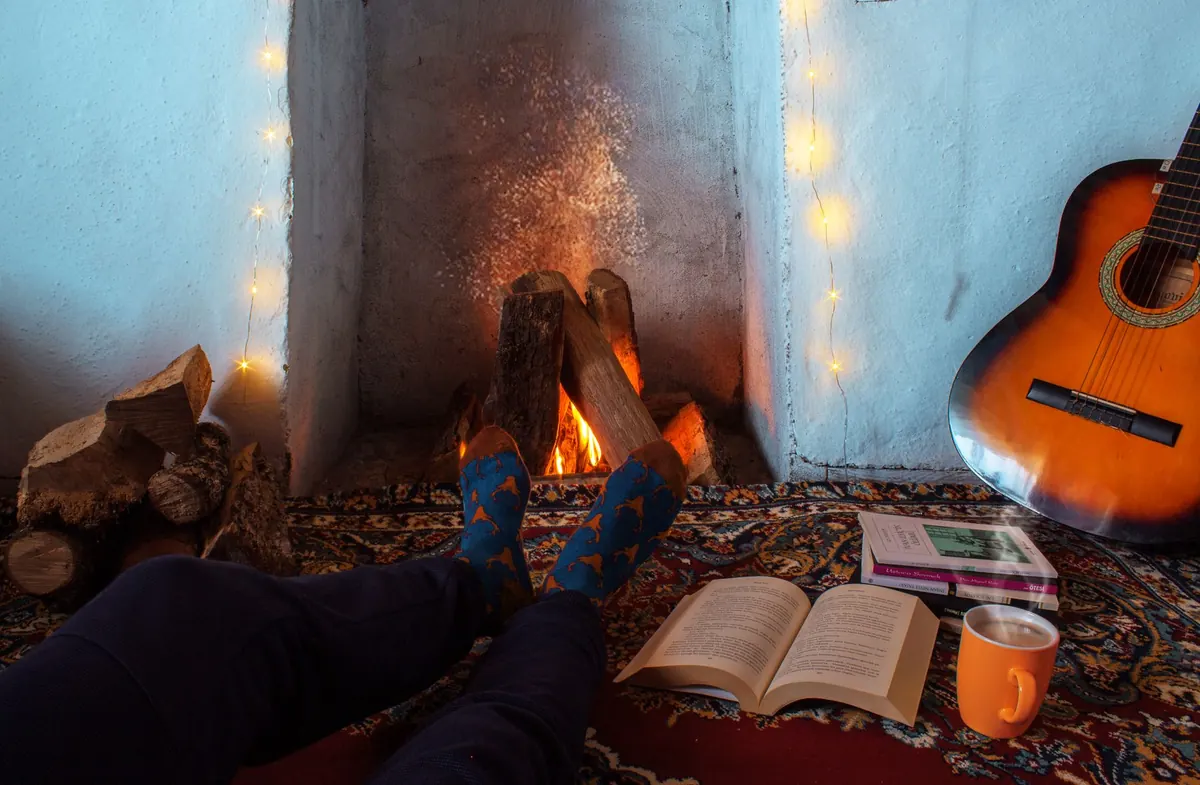
Claire Keegan's Small Things Like These is a novella of about a hundred pages, and it does something longer Christmas novels rarely manage: it tightens your throat without ever raising its voice. Set in a small Irish town in the mid-1980s, it follows a coal merchant through the last days before Christmas and asks one uncomfortable question. What do you do when you notice something wrong and everyone around you has already decided not to?
Keegan answers quietly, and the book is finished before you have braced for it. That is part of its power. She writes short, trusts her reader, and leaves the shouting to us.
The Story, and How Little of It You Need to Know
Bill Furlong sells coal and timber. He is married to Eileen, has five daughters, and is up before dawn on the wettest mornings of the year, hauling bags to houses warmer than his own. In the days before Christmas he makes a delivery to the convent laundry on the edge of town and finds a young woman shut in the coal house, barefoot and frightened. He brings her inside, washes her feet at the kitchen sink, and goes home for his tea.
That is most of the plot, and it is enough. Keegan does not turn the nuns into monsters or the town into a courtroom. She shows you a man who has seen something and cannot put it down, a wife who would rather he did, and a community that has agreed, for its own reasons, not to look.
The closing scene is one of the finest endings in recent Irish fiction. I will not spoil it. I will say only that it is small, public and irreversible.
A Christmas Book With the Tinsel Removed
Christmas here is not a backdrop of fairy lights. It is work. Deliveries before dark, orders written out in the ledger, wet coats and cold hands, money counted twice. Presents are chosen carefully, and there is a sense throughout that the season is expensive for people who have very little spare.
Keegan uses that ordinariness as pressure rather than decoration. The town is full of goodwill in public and silence in private, and the gap between the two is where the story lives. There are warm kitchens, a goose or a turkey, and children who are excited. But the comfort is never allowed to soften the question the book is asking.
The season of goodwill is the engine of this novel, not its wrapping paper.
If you like festive reading that ends with snow falling on a forgiven village, this will unsettle you. If you like it to mean something, keep going.
The Style: Plain Sentences, Deliberate Silences
Keegan's prose is spare in a way that feels almost physical. Short paragraphs. Concrete nouns. Very few metaphors, and the ones she uses are domestic: coal, water, doors, hands, feet. She tells you what people do rather than what they feel, which means Furlong's unease reaches you through what he cannot manage — a sleepless hour, a detour along the river, silence at the kitchen table.
The effect is that you read actively. You notice the repetition of water and washing, for instance, and you decide what it means. When a writer explains everything, the reader does nothing. Keegan hands you the work, and it pays off.
Four Things to Watch For on a First Read
- What Furlong does with his hands. He carries, lifts, delivers, washes. Notice when he stops.
- The economics. Who employs whom, who owes whom, and what the convent means to the town's trade.
- The doors. Opened, closed, locked, left ajar.
- What is never said aloud at the dinner table.
What the Book Is Really About
The story draws on the history of Ireland's Magdalene laundries: institutions run by religious orders where women and girls were sent to work, often against their will, and which survived into the 1990s. Keegan does not write a history lesson. She writes about complicity — the small, reasonable excuses people make to themselves, and the way an entire town can agree that something is not its business.
Against that she sets the idea of inherited decency. Furlong was born to a servant girl and raised by Ned Furlong, a man who took him in when he did not have to. That act of ordinary kindness is the engine of the book. It explains why he cannot simply go home, and why his decision at the end is less dramatic than it is inevitable.
The title is a warning as much as a hope. Small things can be cruelties. They can also be the only courage available on a wet morning in December.
Where It Fits on a Festive Reading List
Plenty of Christmas books are treats. This one is a gift with an edge, which is exactly why it works in December. A few ways to use it:
- Read it in one sitting on Christmas Eve, once the house has gone quiet. It takes roughly ninety minutes and lands harder that way.
- Pair it with A Christmas Carol, then talk about the difference between a man frightened by ghosts and a man who simply decides.
- Give it to the reader who claims they have no time for novels. Length is not the barrier here.
- Follow it with something warm but honest: Keegan's Foster, or a short story collection you can dip into in January.
- Read the book before watching the 2024 film adaptation, which hands Furlong to Cillian Murphy and is worth your evening.
How to Get the Most From It
A short book invites rushing. Resist that.
- Read the opening pages slowly enough to fix the geography of the town. Its size is the point.
- Do not skim the chores. The deliveries, the ordering in, the quiet domestic exchanges are the argument, not the scenery.
- When you reach the final page, sit with the last paragraph before you turn back. Decide what Furlong has chosen, and what it costs him.
- Note one sentence that stopped you. A book group will find plenty to argue about here: duty, money, religion, and the difference between being good and being kind.
- Return to it in January. It reads differently once the decorations are down.
There is no padding in Small Things Like These, and no easy comfort either. What lingers is a wet street, a coal house, and a man deciding in front of his neighbours to be the person he was raised to be.
Photo: Ahmet Oral / Pexels